How Peripheral Artery Disease Affects Foot and Ankle Skin

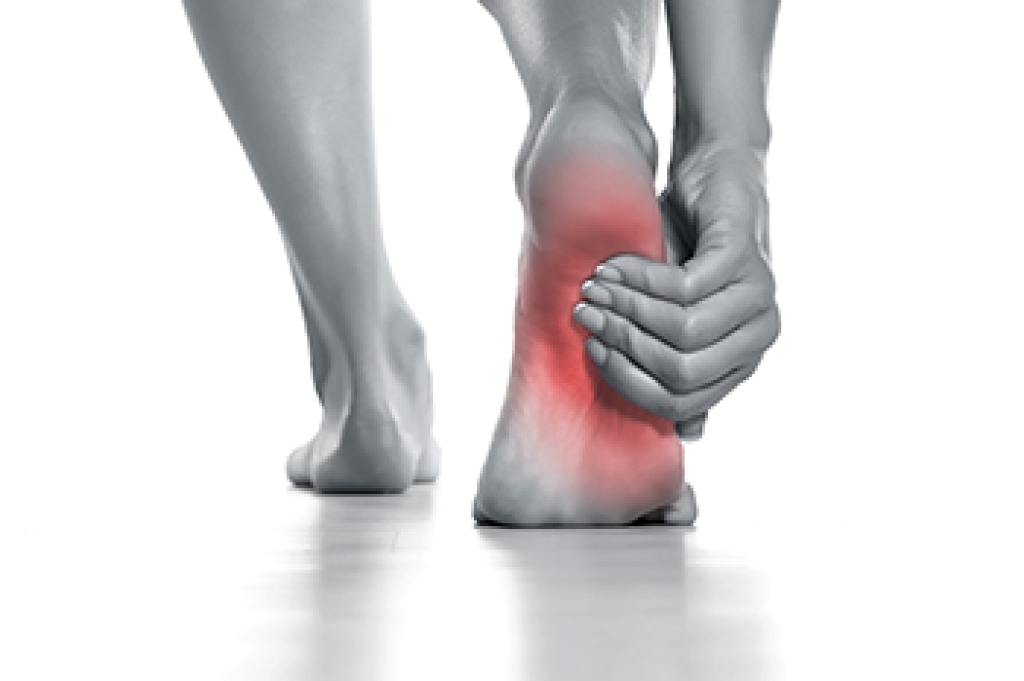
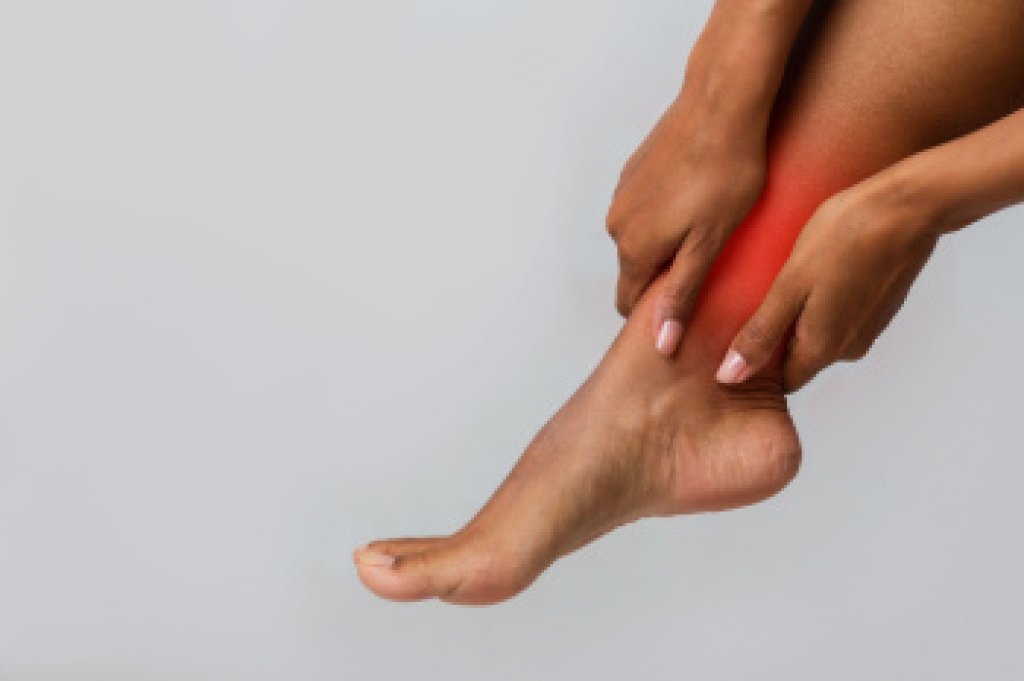
Peripheral artery disease, or PAD, reduces blood flow to the lower limbs, limiting the oxygen and nutrients needed to keep skin healthy. In the feet and ankles, this often leads to dryness, thinning, and increased sensitivity. Skin may appear shiny, pale, or cool to the touch, and hair growth can diminish. Even minor cuts or pressure areas may heal slowly because circulation is impaired. Over time, poor blood supply increases the risk of skin breakdown, ulcers, and infection, especially when combined with reduced sensation. Color changes, cracking, or persistent redness should not be ignored, as they may signal worsening circulation. Wearing proper footwear, daily skin checks, and prompt care of small injuries are essential for protection. If changes in foot or ankle skin are noticed, it is suggested that you see a podiatrist for a proper diagnosis and appropriate treatment.

Peripheral artery disease can pose a serious risk to your health. It can increase the risk of stroke and heart attack. If you have symptoms of peripheral artery disease, consult with Monique Mitchell, DPM from Family Foot Centre. Our doctor will assess your condition and provide you with quality foot and ankle treatment.

Peripheral artery disease (PAD) is when arteries are constricted due to plaque (fatty deposits) build-up. This results in less blood flow to the legs and other extremities. The main cause of PAD is atherosclerosis, in which plaque builds up in the arteries.

Symptoms

Symptoms of PAD include:

  • Claudication (leg pain from walking)
  • Numbness in legs
  • Decrease in growth of leg hair and toenails
  • Paleness of the skin
  • Erectile dysfunction
  • Sores and wounds on legs and feet that won’t heal
  • Coldness in one leg

It is important to note that a majority of individuals never show any symptoms of PAD.

Diagnosis

While PAD occurs in the legs and arteries, Podiatrists can diagnose PAD. Podiatrists utilize a test called an ankle-brachial index (ABI). An ABI test compares blood pressure in your arm to you ankle to see if any abnormality occurs. Ultrasound and imaging devices may also be used.

Treatment

Fortunately, lifestyle changes such as maintaining a healthy diet, exercising, managing cholesterol and blood sugar levels, and quitting smoking, can all treat PAD. Medications that prevent clots from occurring can be prescribed. Finally, in some cases, surgery may be recommended.

If you have any questions, please feel free to contact our office located in Garden Hills, Nassau, Bahamas . We offer the newest diagnostic and treatment technologies for all your foot care needs.

Read more about Peripheral Artery Disease

Foot Fungus and Protecting Your Foot Health

Foot fungus, or onychomycosis, is a common infection caused by fungal organisms that thrive in warm and moist environments. It can affect the skin of the feet as well as the toenails. Athlete’s foot often causes itching, redness, peeling, and cracking between the toes or on the soles. Subungual onychomycosis develops beneath the nail and may lead to thickening, discoloration, and crumbling of the nail plate. White superficial onychomycosis appears as white patches on the surface of the nail. Additionally, candida infections may cause swelling, tenderness, and nail changes. Without treatment, fungal infections can spread and worsen. If you have signs of foot or toenail fungus, it is suggested that you consult a podiatrist who can accurately diagnose fungal conditions, and offer effective treatment options. 

Foot Pain

Foot pain can be extremely painful and debilitating. If you have a foot pain, consult with Monique Mitchell, DPM from Family Foot Centre. Our doctor will assess your condition and provide you with quality foot and ankle treatment.

Causes

Foot pain is a very broad condition that could be caused by one or more ailments. The most common include:

  • Bunions
  • Hammertoes
  • Plantar Fasciitis
  • Bone Spurs
  • Corns
  • Tarsal Tunnel Syndrome
  • Ingrown Toenails
  • Arthritis (such as Gout, Rheumatoid, and Osteoarthritis)
  • Flat Feet
  • Injury (from stress fractures, broken toe, foot, ankle, Achilles tendon ruptures, and sprains)
  • And more

Diagnosis

To figure out the cause of foot pain, podiatrists utilize several different methods. This can range from simple visual inspections and sensation tests to X-rays and MRI scans. Prior medical history, family medical history, and any recent physical traumatic events will all be taken into consideration for a proper diagnosis.

Treatment

Treatment depends upon the cause of the foot pain. Whether it is resting, staying off the foot, or having surgery; podiatrists have a number of treatment options available for foot pain.

If you have any questions, please feel free to contact our office located in Garden Hills, Nassau, Bahamas . We offer the newest diagnostic and treatment technologies for all your foot care needs.

Read more about Foot Pain

Foot and Ankle Biomechanics

Foot and ankle biomechanics play a vital role in the efficiency of walking and running. Proper movement of the hindfoot allows shock absorption and alignment at initial contact, while the midfoot provides stability and adapts to surface changes. The forefoot then generates propulsion and forward momentum during toe off. When these regions do not work together effectively, poor foot biomechanics can develop leading to decreased performance in sports and everyday life and a higher risk of lower extremity injuries, such as plantar fasciitis, shin splints, and knee pain. A podiatrist can evaluate gait mechanics, identify imbalances, and recommend custom orthotics, footwear guidance, and targeted treatment to improve function and reduce injury risk. If you have foot pain from walking or running, it is suggested that you consult a podiatrist who can treat various foot conditions, and guide you on suitable footwear for your desired activity.

If you have any concerns about your feet, contact Monique Mitchell, DPM from Family Foot Centre. Our doctor can provide the care you need to keep you pain-free and on your feet.

Biomechanics in Podiatry

Podiatric biomechanics is a particular sector of specialty podiatry with licensed practitioners who are trained to diagnose and treat conditions affecting the foot, ankle and lower leg. Biomechanics deals with the forces that act against the body, causing an interference with the biological structures. It focuses on the movement of the ankle, the foot and the forces that interact with them.

A History of Biomechanics

  • Biomechanics dates back to the BC era in Egypt where evidence of professional foot care has been recorded.
  • In 1974, biomechanics gained a higher profile from the studies of Merton Root, who claimed that by changing or controlling the forces between the ankle and the foot, corrections or conditions could be implemented to gain strength and coordination in the area.

Modern technological improvements are based on past theories and therapeutic processes that provide a better understanding of podiatric concepts for biomechanics. Computers can provide accurate information about the forces and patterns of the feet and lower legs.

Understanding biomechanics of the feet can help improve and eliminate pain, stopping further stress to the foot.

If you have any questions please feel free to contact our office located in Garden Hills, Nassau, Bahamas . We offer the newest diagnostic and treatment technologies for all your foot and ankle needs.

Read more about The Importance of Biomechanics in Podiatry

Who May Be a Candidate for Ankle Joint Replacement

Total ankle replacement is a surgical option designed to relieve pain and restore motion in people with severe ankle arthritis. Not everyone qualifies for this procedure. Ideal candidates usually have advanced joint damage that has not improved with conservative care such as bracing, injections, or targeted exercises. Good bone quality and stable ligaments are important to support the implant. Overall health also matters, as healing and long-term outcomes depend on circulation, skin integrity, and the ability to follow postoperative instructions. Patients with significant deformity, active infection, or severe nerve damage may not be appropriate candidates. Activity level is considered as well, since high impact demands can shorten implant lifespan. A thorough evaluation helps determine whether replacement or another treatment is more appropriate. If ankle arthritis is causing ongoing pain or limited mobility, it is suggested that you see a podiatrist for a proper diagnosis and treatment that is best for you.

In certain cases, in which the patient suffers from extreme pain or damage in a joint, joint replacement surgery may be deemed useful. If you have constant pain in a foot joint, consult with Monique Mitchell, DPM from Family Foot Centre. Our doctor will assess your condition and provide you with quality foot and ankle treatment.

What Is Joint Replacement Surgery?

Over time, joints wear down; this can be exacerbated by diseases and conditions. Joint replacement surgery, also known as arthroplasty, is when a damaged joint is surgically removed and replaced with a prosthesis. Prostheses, which can be made of ceramic, plastic, or metal, act as joints in lieu of an actual joint. One of the most prevalent causes for joint replacement is arthritis.

Arthritis in the Foot

Arthritis can occur in any joint in the body, including in the feet. Common types of arthritis in the foot are osteoarthritis, rheumatoid arthritis, and gout. The big toe is usually where arthritis occurs in the foot; this is known as hallux rigidus.

Joint Replacement Surgery in the Foot

The most common form of joint replacement in the foot is a first metatarsophalangeal (MTP) joint placement. MTP joint replacement surgery is designed to treat hallux rigidus. Surgery is not intensive, and recovery occurs within one to two months after the procedure has been done. Overall, joint replacement surgery is a safe and effective way to treat pain in the joint of the foot.

If you have any questions, please feel free to contact our office located in Garden Hills, Nassau, Bahamas . We offer the newest diagnostic and treatment technologies for all your foot care needs.

Read more about Joint Replacement Surgery

Connect With Us

scroll to top