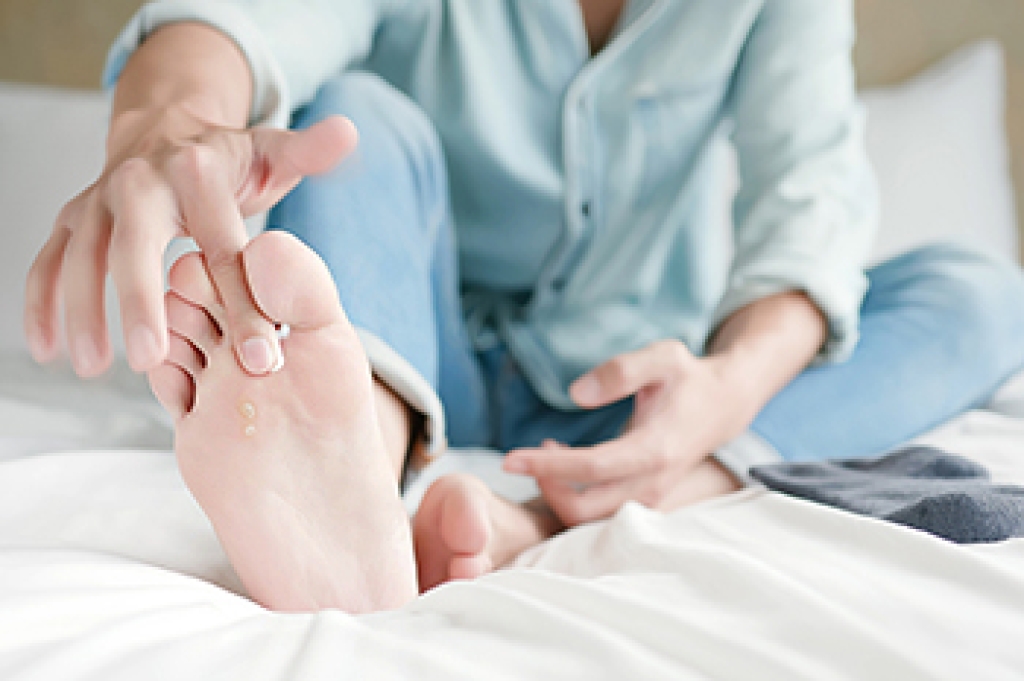
Symptoms and Causes of Athlete’s Foot

Athlete’s foot is a skin infection caused by fungi, which are tiny organisms that grow in warm and damp places. This condition often begins between the toes but may spread to the soles or sides of the feet. It is highly contagious and can spread through direct contact or by walking on contaminated floors in locker rooms, near pools, or shared shower areas. Tight shoes, sweaty feet, and small cuts in the skin can make infection more likely. Symptoms of athlete’s foot include intense itching, redness, peeling or cracked skin, and a burning or stinging feeling. Some people also develop small blisters or thickened, whitish skin over time. If untreated, this infection may spread to the toenails or other areas of skin. A podiatrist can diagnose athlete’s foot, confirm the cause, and provide proper medical treatment to control the infection and prevent complications. If you are experiencing symptoms of athlete’s foot, it is suggested that you make an appointment with a podiatrist for an exam, diagnosis, and treatment.

Athlete’s Foot

Athlete’s foot is often an uncomfortable condition to experience. Thankfully, podiatrists specialize in treating athlete’s foot and offer the best treatment options. If you have any questions about athlete’s foot, consult with Monique Mitchell, DPM from Family Foot Centre. Our doctor will assess your condition and provide you with quality treatment.

What Is Athlete’s Foot?

Tinea pedis, more commonly known as athlete’s foot, is a non-serious and common fungal infection of the foot. Athlete’s foot is contagious and can be contracted by touching someone who has it or infected surfaces. The most common places contaminated by it are public showers, locker rooms, and swimming pools. Once contracted, it grows on feet that are left inside moist, dark, and warm shoes and socks.

Prevention

The most effective ways to prevent athlete’s foot include:

  • Thoroughly washing and drying feet
  • Avoid going barefoot in locker rooms and public showers
  • Using shower shoes in public showers
  • Wearing socks that allow the feet to breathe
  • Changing socks and shoes frequently if you sweat a lot

Symptoms

Athlete’s foot initially occurs as a rash between the toes. However, if left undiagnosed, it can spread to the sides and bottom of the feet, toenails, and if touched by hand, the hands themselves. Symptoms include:

  • Redness
  • Burning
  • Itching
  • Scaly and peeling skin

Diagnosis and Treatment

Diagnosis is quick and easy. Skin samples will be taken and either viewed under a microscope or sent to a lab for testing. Sometimes, a podiatrist can diagnose it based on simply looking at it. Once confirmed, treatment options include oral and topical antifungal medications.

If you have any questions, please feel free to contact our office located in Garden Hills, Nassau, Bahamas . We offer the newest diagnostic and treatment technologies for all your foot care needs.

Read more about Athlete’s Foot

Keep Your Feet Healthy So You Can Stay Active

Have your feet inspected by a professional before starting a new sport or physical activity. Taking charge of your foot health will keep you in good physical condition and can help you avoid a potential injury, such as a fracture or sprained ankle.

Prevent injuries and see a foot specialist.

Toenail Disorders in Elderly People and the Value of Podiatric Care

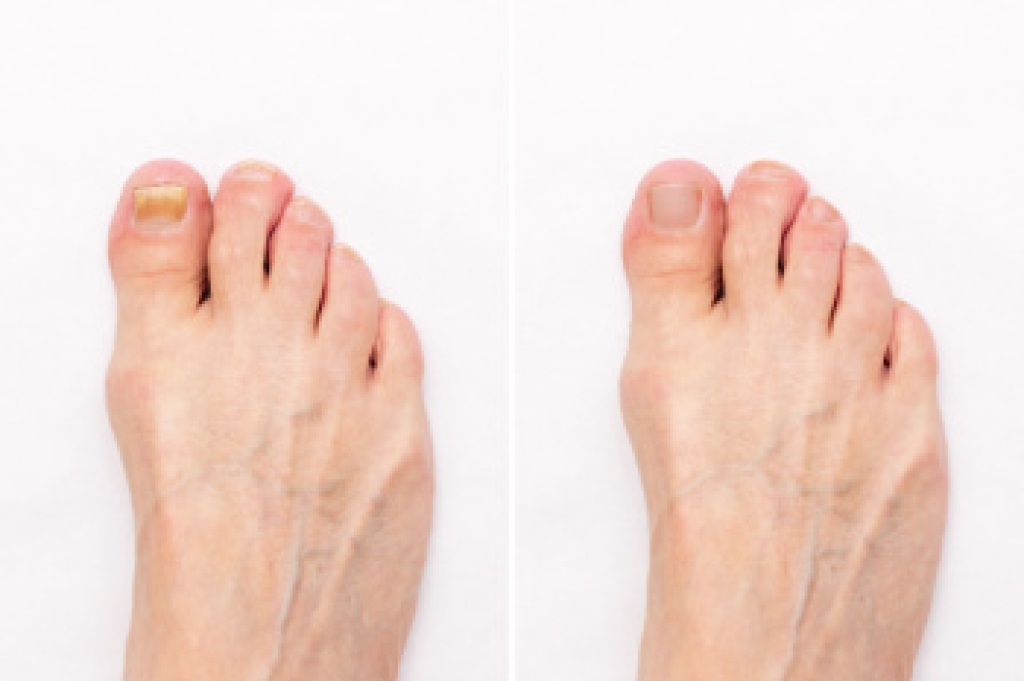
Toenail disorders are common among elderly people as natural aging-related changes affect nail growth and overall foot health. Nails often grow more slowly and may become thicker, brittle, or discolored, over time. Some individuals may develop nail hypertrophy, a condition in which the nail plate becomes abnormally thick and difficult to trim. Causes include reduced circulation, long-term pressure from footwear, fungal infections, and drug-related interactions that influence nail growth patterns. Symptoms may include thickened nails, discomfort while walking, and difficulty maintaining proper nail care. Risk factors include limited mobility, chronic health conditions, and decreased vision that makes self-care challenging. A podiatrist can safely trim and treat abnormal nails. If toenail changes or discomfort develop, it is suggested that you seek podiatric care to maintain healthy feet and mobility.

If you need your feet checked, contact Monique Mitchell, DPM of Family Foot Centre. Our doctor will attend to all of your foot and ankle needs and provide you with quality treatment.

Geriatrics and Podiatry
When people age, some common issues that may occur are bone density loss, dry skin, poor circulation, and rough brittle nails. These issues may also affect your foot health if the necessary steps are not taken to alleviate the problems.

It is important to take care of your feet because feet that are injured or diseased can affect your overall health. Having painful feet hinders your ability to do daily activities or may decrease your willingness to do the things that you need to do.

Visiting Your Geriatrician
As we age, health problems become more likely, so it is essential to visit your doctor for check-ups to ensure that you are doing the best you can to take care of your health. It is recommended to check your feet frequently for any possible cuts, bruises, swelling, corns or any other irregularities. 

Taking Care of Elderly Feet
Cracked or dry feet can be treated by applying moisturizer often. It is also important not to wear old socks because the older the sock is, the higher the possibility there will be that there is bacteria there. Wear fresh socks and make sure they fit properly.

Proper foot health means that you can have a more active lifestyle and you will not be bogged down by pain. Foot health also leads to good circulation, which is paramount for overall health.

If you have any questions, please feel free to contact our office located in Garden Hills, Nassau, Bahamas . We offer the newest diagnostic and treatment technologies for all your foot care needs.
Read more about Geriatrics and Podiatry

Restoring Comfort and Skin Health in Cracked Heels

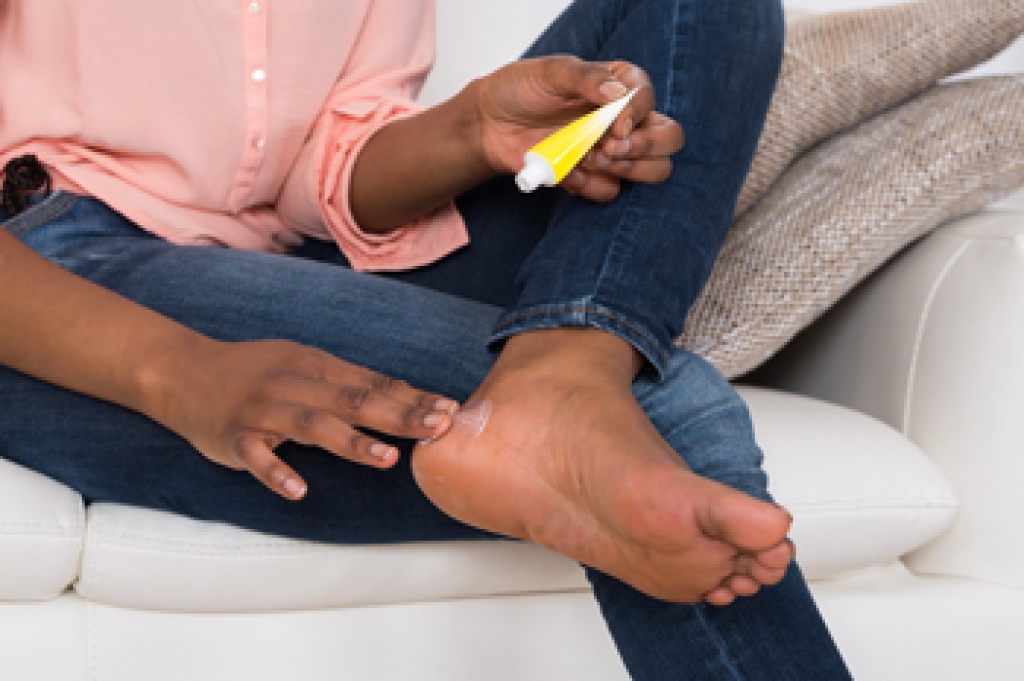
Heel fissures are deep cracks that develop in dry, thickened skin along the back or bottom of the heel. They often form when the skin loses moisture and elasticity. Standing for long periods, wearing open-backed shoes, and having weight-related pressure on the heel can increase risk. In some cases, underlying conditions such as diabetes or thyroid imbalance may contribute to severe dryness. Management begins with gentle removal of thick, built-up skin using professional debridement. Daily application of urea-based or lactic-acid-based moisturizers helps soften and hydrate the area. Wearing closed-heel, supportive footwear reduces pressure and prevents further splitting. In painful cases, protective dressings may be used to promote skin repair. Consistent at-home care is important to prevent recurrence. Ignoring heel cracks can lead to bleeding or infection. If you have painful or deep heel fissures that are not improving, it is suggested that you see a podiatrist for a proper diagnosis and appropriate treatment.

If the skin on your feet starts to crack, you may want to see a podiatrist to find treatment. If you have any concerns, contact Monique Mitchell, DPM from Family Foot Centre. Our doctor can provide the care you need to keep you pain-free and on your feet.

Cracked Heels

It is important to moisturize your cracked heels in order to prevent pain, bleeding, and infection. The reason cracked heels form is because the skin on the foot is too dry to support the immense pressure placed on them. When the foot expands, the dry skin on the foot begins to split.

Ways to Help Heal Them

  • Invest in a good foot cream
  • Try Using Petroleum Jelly
  • Ease up on Soaps
  • Drink Plenty of Water

Ways to Prevent Cracked Heels

  • Moisturize After Showering
  • Skip a Shower
  • Keep Shower Water Lukewarm
  • Don’t Scrub Your Feet

If you are unsure how to proceed in treating cracked heels, seek guidance from a podiatrist. Your doctor will help you with any questions or information you may need. 

If you have any questions, please feel free to contact our office located in Garden Hills, Nassau, Bahamas . We offer the newest diagnostic and treatment technologies for all your foot care needs.
Read more about Solutions for Cracked Heels

Causes of Idiopathic Toe Walking

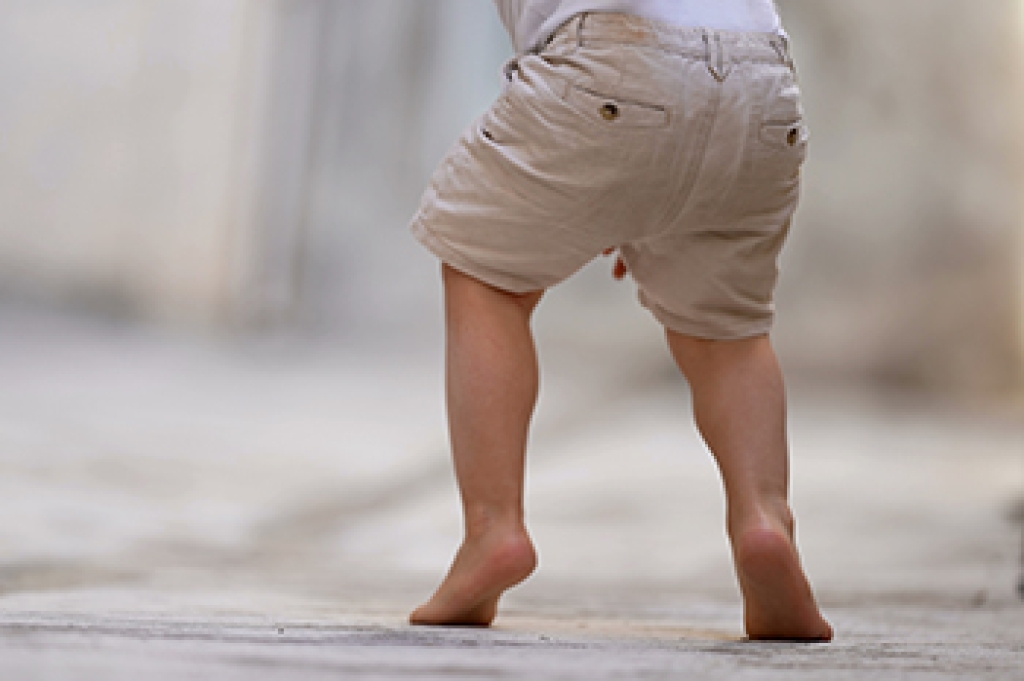
Idiopathic toe walking is a condition in which a child continues to walk on the toes without a known medical cause after the age when a typical heel to toe gait pattern should develop. This walking pattern can place excessive strain on the muscles and tendons of the foot and ankle, leading to tight calf muscles, limited ankle motion, and imbalance. Signs may include persistent toe walking, difficulty standing flat footed, and frequent tripping. Risk factors can include family history and developmental factors, and it most commonly affects young children. A podiatrist can evaluate gait, recommend stretching, bracing, or other supportive treatments. If your child is toe walking, it is suggested that you are under the care of a podiatrist who can monitor your child's foot health.

Making sure that your children maintain good foot health is very important as they grow. If you have any questions, contact Monique Mitchell, DPM of Family Foot Centre. Our doctor can provide the care you need to keep you pain-free and on your feet.

Keeping Children's Feet Healthy

Having healthy feet during childhood can help prevent medical problems later in life, namely in the back and legs. As children grow, their feet require different types of care. Here are some things to consider...

Although babies do not walk yet, it is still very important to take care of their feet.

Avoid putting tight shoes or socks on his or her feet.

Allow the baby to stretch and kick his or her feet to feel comfortable.

As a toddler, kids are now on the move and begin to develop differently. At this age, toddlers are getting a feel for walking, so don’t be alarmed if your toddler is unsteady or ‘walks funny’. 

As your child gets older, it is important to teach them how to take care of their feet.

Show them proper hygiene to prevent infections such as fungus.

Be watchful for any pain or injury.

Have all injuries checked by a doctor as soon as possible.

Comfortable, protective shoes should always be worn, especially at play.

If you have any questions, please feel free to contact our office located in Garden Hills, Nassau, Bahamas . We offer the newest diagnostic and treatment technologies for all your foot care needs.

Read more about How to Care for Your Child's Feet

Connect With Us

scroll to top