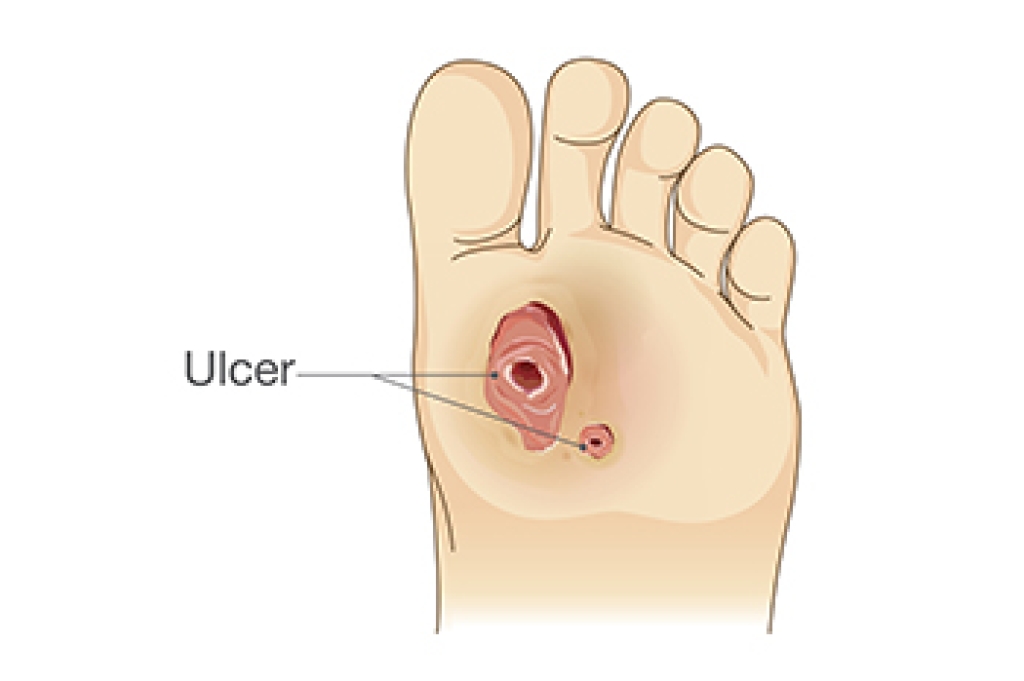
Diabetic Foot Ulcers and the Importance of Care

A diabetic foot ulcer is an open wound that develops on the foot and is a serious complication of diabetes. These ulcers often occur as a result of neuropathy, which reduces sensation and makes it difficult to feel cuts or pressure points. Poor circulation also plays a major role by limiting blood flow needed for healing. Without pain as a warning sign, small injuries can worsen and become infected. Diabetic foot ulcers can affect mobility and increase the risk of more severe complications if not treated promptly. A podiatrist helps by performing regular foot exams, treating wounds, improving pressure distribution, and recommending proper footwear or orthotics. They also focus on preventing infection. If you have diabetes or notice a sore on your foot that is slow to heal, it is strongly suggested that you are under the care of a podiatrist who can help you to manage this serious condition.

Wound care is an important part in dealing with diabetes. If you have diabetes and a foot wound or would like more information about wound care for diabetics, consult with Monique Mitchell, DPM from Family Foot Centre. Our doctor will assess your condition and provide you with quality foot and ankle treatment.

What Is Wound Care?

Wound care is the practice of taking proper care of a wound. This can range from the smallest to the largest of wounds. While everyone can benefit from proper wound care, it is much more important for diabetics. Diabetics often suffer from poor blood circulation which causes wounds to heal much slower than they would in a non-diabetic. 

What Is the Importance of Wound Care?

While it may not seem apparent with small ulcers on the foot, for diabetics, any size ulcer can become infected. Diabetics often also suffer from neuropathy, or nerve loss. This means they might not even feel when they have an ulcer on their foot. If the wound becomes severely infected, amputation may be necessary. Therefore, it is of the upmost importance to properly care for any and all foot wounds.

How to Care for Wounds

The best way to care for foot wounds is to prevent them. For diabetics, this means daily inspections of the feet for any signs of abnormalities or ulcers. It is also recommended to see a podiatrist several times a year for a foot inspection. If you do have an ulcer, run the wound under water to clear dirt from the wound; then apply antibiotic ointment to the wound and cover with a bandage. Bandages should be changed daily and keeping pressure off the wound is smart. It is advised to see a podiatrist, who can keep an eye on it.

If you have any questions please contact our office located in Garden Hills, Nassau, Bahamas . We offer the newest diagnostic and treatment technologies for all your foot and ankle needs.
Read more about Wound Care

Caring for Swollen Feet Related to Diabetes

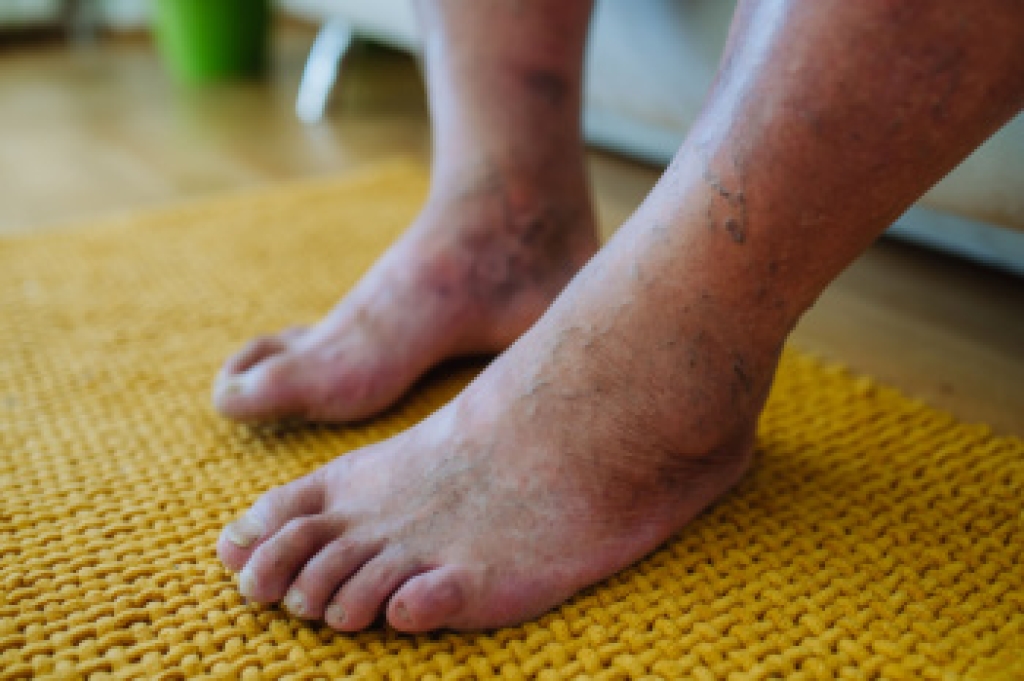
Swelling in the feet is a common concern for people living with diabetes because circulation, fluid balance, and nerve function can all be affected. Treatment focuses on identifying the cause of the swelling and easing pressure on the tissues. Elevation, wearing supportive footwear, and gentle movement often help improve fluid return, while managing blood sugar can reduce inflammation that contributes to fullness in the feet. Some individuals benefit from compression garments designed specifically for diabetic use, and others may need evaluation for circulation problems or early signs of infection. A podiatrist can assess the skin, nails, and blood flow, recommend safe ways to reduce swelling, and identify any underlying issues that may require more focused care. If your swelling worsens, becomes painful, or makes walking difficult, it is suggested that you see a podiatrist for effective relief tips.

Diabetic foot care is important in preventing foot ailments such as ulcers. If you are suffering from diabetes or have any other concerns about your feet, contact Monique Mitchell, DPM from Family Foot Centre. Our doctor can provide the care you need to keep you pain-free and on your feet.

Diabetic Foot Care

Diabetes affects millions of people every year. The condition can damage blood vessels in many parts of the body, especially the feet. Because of this, taking care of your feet is essential if you have diabetes, and having a podiatrist help monitor your foot health is highly recommended.

The Importance of Caring for Your Feet

  • Routinely inspect your feet for bruises or sores.
  • Wear socks that fit your feet comfortably.
  • Wear comfortable shoes that provide adequate support.

Patients with diabetes should have their doctor monitor their blood levels, as blood sugar levels play such a huge role in diabetic care. Monitoring these levels on a regular basis is highly advised.

It is always best to inform your healthcare professional of any concerns you may have regarding your feet, especially for diabetic patients. Early treatment and routine foot examinations are keys to maintaining proper health, especially because severe complications can arise if proper treatment is not applied.

If you have any questions, please feel free to contact our office located in Garden Hills, Nassau, Bahamas . We offer the newest diagnostic and treatment technologies for all your foot care needs.

Read more about How to Care for Diabetic Foot

Causes and Diagnosis of Heel Spurs

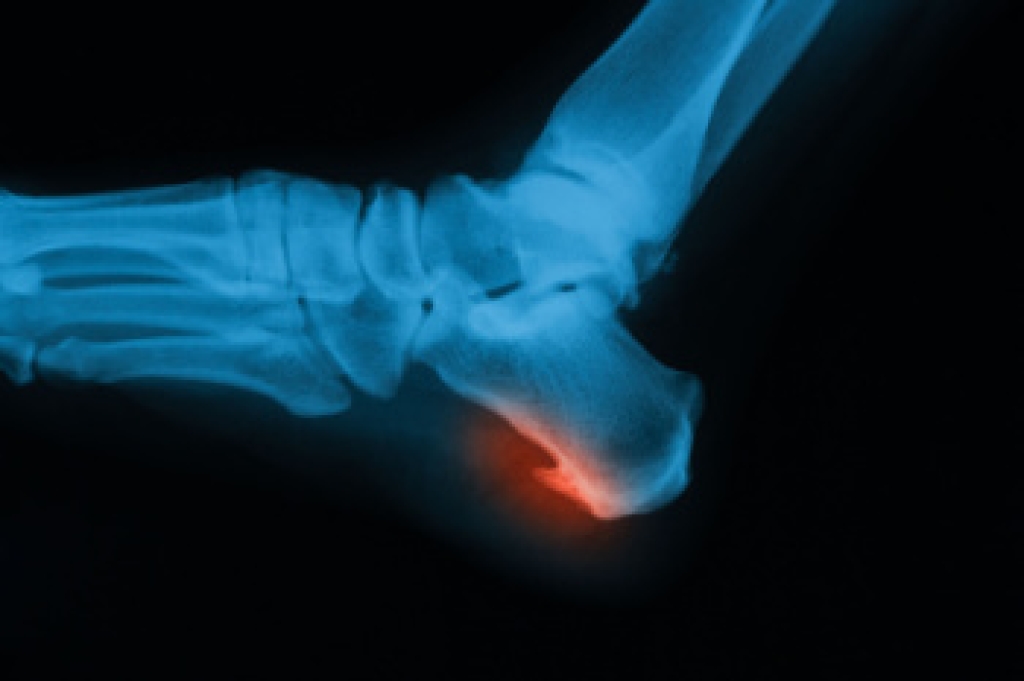
A heel spur is a bony growth that forms on the underside of the heel bone, often associated with chronic plantar fascia stress. Many patients experience sharp pain while standing or walking, especially first thing in the morning, although some may remain asymptomatic. Diagnosis typically involves a thorough physical examination and imaging tests such as X-rays to confirm the presence of the spur. Risk factors include prolonged standing, obesity, high-impact activities, flat feet, and tight calf muscles, all of which increase pressure on the heel. A podiatrist can provide effective treatment options, including custom orthotics, anti-inflammatory therapies, and minimally invasive procedures to relieve pain and improve mobility. If you have heel pain, it is suggested that you promptly consult a podiatrist who can accurately diagnose and treat heel spurs.

Heel spurs can be incredibly painful and sometimes may make you unable to participate in physical activities. To get medical care for your heel spurs, contact Monique Mitchell, DPM from Family Foot Centre. Our doctor will do everything possible to treat your condition.

Heels Spurs

Heel spurs are formed by calcium deposits on the back of the foot where the heel is. This can also be caused by small fragments of bone breaking off one section of the foot, attaching onto the back of the foot. Heel spurs can also be bone growth on the back of the foot and may grow in the direction of the arch of the foot.

Older individuals usually suffer from heel spurs and pain sometimes intensifies with age. One of the main condition's spurs are related to is plantar fasciitis.

Pain

The pain associated with spurs is often because of weight placed on the feet. When someone is walking, their entire weight is concentrated on the feet. Bone spurs then have the tendency to affect other bones and tissues around the foot. As the pain continues, the feet will become tender and sensitive over time.

Treatments

There are many ways to treat heel spurs. If one is suffering from heel spurs in conjunction with pain, there are several methods for healing. Medication, surgery, and herbal care are some options.

If you have any questions, please feel free to contact our office located in Garden Hills, Nassau, Bahamas . We offer the newest diagnostic and treatment technologies for all your foot care needs.

Read more about How to Treat Heel Spurs

Supporting Healthy Feet as You Age

As the body changes with age, the feet often feel the effects first because they carry the weight of every step. Skin may become thinner and drier, toenails may thicken, and flexibility can decrease, making routine care more important. Many older adults experience reduced sensation or slower healing, which means small issues like corns, cracks, or nail problems can progress more quickly than expected. Choosing supportive footwear, moisturizing regularly, and checking the feet each day for redness, swelling, or pressure spots can help maintain comfort and stability. Gentle stretching and staying active can also improve circulation and mobility. Being consistent with foot care supports safer movement and overall well-being. If you notice persistent discomfort, skin changes, or difficulty walking, it is suggested that you schedule an appointment with a podiatrist for individualized guidance.

Proper foot care is something many older adults forget to consider. If you have any concerns about your feet and ankles, contact Monique Mitchell, DPM from Family Foot Centre. Our doctor can provide the care you need to keep you pain-free and on your feet.

The Elderly and Their Feet

As we age we start to notice many changes in our body, but the elder population may not notice them right away. Medical conditions may prevent the elderly to take notice of their foot health right away. Poor vision is a lead contributor to not taking action for the elderly.

Common Conditions 

  • Neuropathy – can reduce feeling in the feet and can hide many life-threatening medical conditions.
  • Reduced flexibility – prevents the ability of proper toenail trimming, and foot cleaning. If left untreated, it may lead to further medical issues.
  • Foot sores – amongst the older population can be serious before they are discovered. Some of the problematic conditions they may face are:
  • Gouging toenails affecting nearby toe
  • Shoes that don’t fit properly
  • Pressure sores
  • Loss of circulation in legs & feet
  • Edema & swelling of feet and ankles

Susceptible Infections

Diabetes and poor circulation can cause general loss of sensitivity over the years, turning a simple cut into a serious issue.

If you have any questions, please feel free to contact our office located in Garden Hills, Nassau, Bahamas . We offer the newest diagnostic and treatment technologies for all your foot care needs.

Read more about Elderly and their Feet

Understanding Hairline Fractures in the Foot

A hairline fracture is a very small break in a bone that can cause significant discomfort, even though it may not be obvious at first. Many people notice a gradual increase in pain during walking or standing, especially after repetitive activity. Swelling, tenderness, and mild bruising may appear, and the discomfort often improves with rest but quickly returns with movement. These tiny cracks commonly develop from overuse, wearing improper footwear, or sudden increases in activity levels. Without early attention, the injury can worsen and interfere with mobility. Recognizing the signs promptly helps protect long-term foot health and supports a smoother recovery. If you notice persistent soreness, swelling, or pain that intensifies with activity, it is suggested that you schedule an appointment with a podiatrist for a proper diagnosis and appropriate treatment.

Stress fractures occur when there is a tiny crack within a bone. To learn more, contact Monique Mitchell, DPM from Family Foot Centre. Our doctor can provide the care you need to keep you pain free and on your feet.

How Are They Caused?

Stress fractures are the result of repetitive force being placed on the bone. Since the lower leg and feet often carry most of the body’s weight, stress fractures are likely to occur in these areas. If you rush into a new exercise, you are more likely to develop a stress fracture since you are starting too much, too soon.  Pain resulting from stress fractures may go unnoticed at first, however it may start to worsen over time.

Risk Factors

  • Gender – They are more commonly found in women compared to men.
  • Foot Problems – People with unusual arches in their feet are more likely to develop stress fractures.
  • Certain Sports – Dancers, gymnasts, tennis players, runners, and basketball players are more likely to develop stress fractures.
  • Lack of Nutrients – A lack of vitamin D and calcium may weaken the bones and make you more prone to stress fractures
  • Weak Bones – Osteoporosis can weaken the bones therefore resulting in stress fractures

Stress fractures do not always heal properly, so it is important that you seek help from a podiatrist if you suspect you may have one. Ignoring your stress fracture may cause it to worsen, and you may develop chronic pain as well as additional fractures.

If you have any questions please contact our office located in Garden Hills, Nassau, Bahamas . We offer the newest diagnostic and treatment technologies for all your foot and ankle needs.

Read more about Stress Fractures of the Foot and Ankle

Connect With Us

scroll to top