Fungus and Other Causes of Thick Toenails

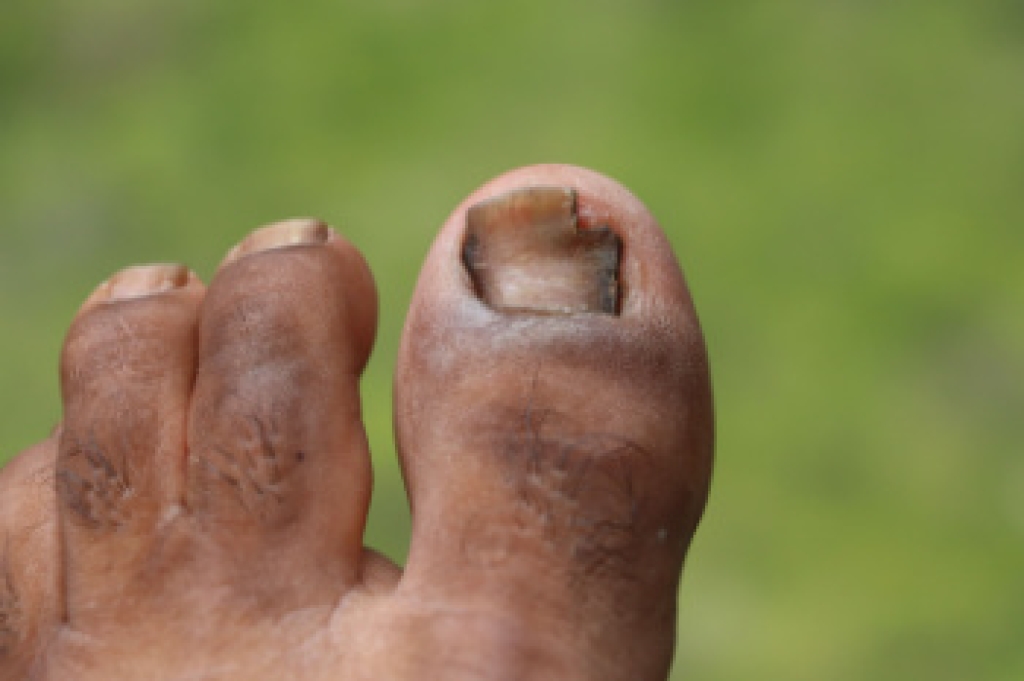
Thick toenails can be more than just a cosmetic issue. They often signal underlying health problems. One of the primary causes of thickened toenails is fungal infections, known as onychomycosis. This occurs when fungi infiltrate through small cracks or cuts in the nail or surrounding skin, where they thrive in the moist environment under the nail bed. This condition can worsen, leading to thicker nails that may change color, emit a foul odor, and become painful. Besides fungal infections, health issues such as psoriasis, congenital disorders, or chronic illnesses can also cause your toenails to thicken. Prompt and proper treatment from a podiatrist is essential, as untreated thick toenails can lead to further complications, including difficulty in walking and wearing shoes comfortably. If you notice a thickening of your toenails, it is suggested that you schedule an appointment with a podiatrist for an exam, diagnosis, and treatment options.

If left untreated, toenail fungus may spread to other toenails, skin, or even fingernails. If you suspect you have toenail fungus it is important to seek treatment right away. For more information about treatment, contact Monique Mitchell, DPM of Family Foot Centre. Our doctor can provide the care you need to keep you pain-free and on your feet.

Symptoms

  • Warped or oddly shaped nails
  • Yellowish nails
  • Loose/separated nail
  • Buildup of bits and pieces of nail fragments under the nail
  • Brittle, broken, thickened nail

Treatment

If self-care strategies and over-the-counter medications does not help your fungus, your podiatrist may give you a prescription drug instead. Even if you find relief from your toenail fungus symptoms, you may experience a repeat infection in the future.

Prevention

In order to prevent getting toenail fungus in the future, you should always make sure to wash your feet with soap and water. After washing, it is important to dry your feet thoroughly especially in between the toes. When trimming your toenails, be sure to trim straight across instead of in a rounded shape. It is crucial not to cover up discolored nails with nail polish because that will prevent your nail from being able to “breathe”.

In some cases, surgical procedure may be needed to remove the toenail fungus. Consult with your podiatrist about the best treatment options for your case of toenail fungus.  

If you have any questions please contact our office located in Garden Hills, Nassau, Bahamas . We offer the newest diagnostic and treatment technologies for all your foot and ankle needs.
Read more about Treating Toenail Fungus

How Psoriatic Arthritis Affects the Feet

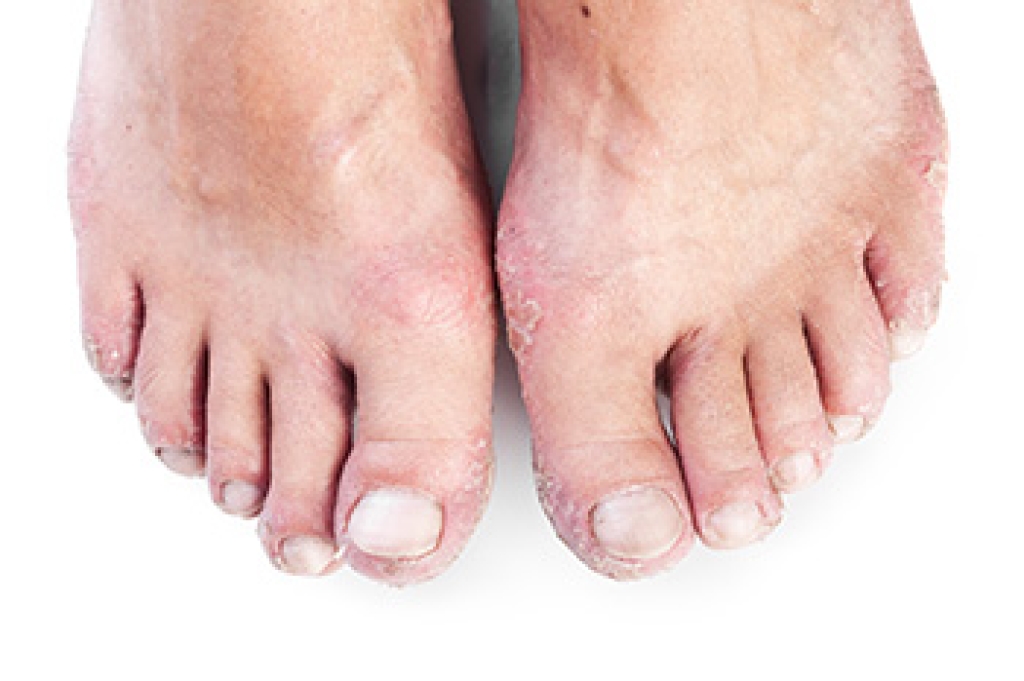
Psoriatic arthritis, or PsA, can significantly affect the feet, leading to symptoms like swelling, soreness, and stiffness. Walking or standing for prolonged periods may become uncomfortable, and shoes might feel tight due to swelling. Common issues resulting from psoriatic arthritis can include swelling of the ankle and big toe, plantar fasciitis, and pain in the Achilles tendon. Symptoms can fluctuate, so it is important to monitor and address them early. This can help to prevent long-term problems, such as an elongated big toe and stiff toe joints. A podiatrist can play a key role in managing symptoms of psoriatic arthritis by providing a treatment plan, which may include specific exercises and stretches that protect and maintain joint flexibility. A podiatrist also can recommend proper footwear and prescribe custom shoe orthotics to relieve pressure and offer stability. If you are experiencing foot pain resulting from psoriatic arthritis, it is suggested that you schedule an appointment with a podiatrist for an exam, diagnosis, and treatment options.


Arthritis can be a difficult condition to live with. If you are seeking treatment, contact Monique Mitchell, DPM from Family Foot Centre. Our doctor can provide the care you need to keep you pain-free and on your feet.

Arthritic Foot Care  

Arthritis is a joint disorder that involves the inflammation of different joints in your body, such as those in your feet. Arthritis is often caused by a degenerative joint disease and causes mild to severe pain in all affected areas. In addition to this, swelling and stiffness in the affected joints can also be a common symptom of arthritis.

In many cases, wearing ill-fitting shoes can worsen the effects and pain of arthritis. Wearing shoes that have a lower heel and extra room can help your feet feel more comfortable. In cases of rheumatoid arthritis, the arch in your foot may become problematic. Buying shoes with proper arch support that contour to your feet can help immensely.

Alleviating Arthritic Pain

  • Exercises that stretch the foot can prevent further pain and injury and increase mobility
  • Most of the pain can be alleviated with anti-inflammatory drugs, heat, and topical medications
  • Massages can help temporarily alleviate pain.

It is best to see your doctor for the treatment that is right for your needs and symptoms. Conditions vary, and a podiatrist can help you determine the right method of care for your feet.

If you have any questions please feel free to contact our office located in Garden Hills, Nassau, Bahamas . We offer the newest diagnostic tools and technology to treat your foot and ankle needs.

Read more about Arthritic Foot Care

Preventing Plantar Warts in Children

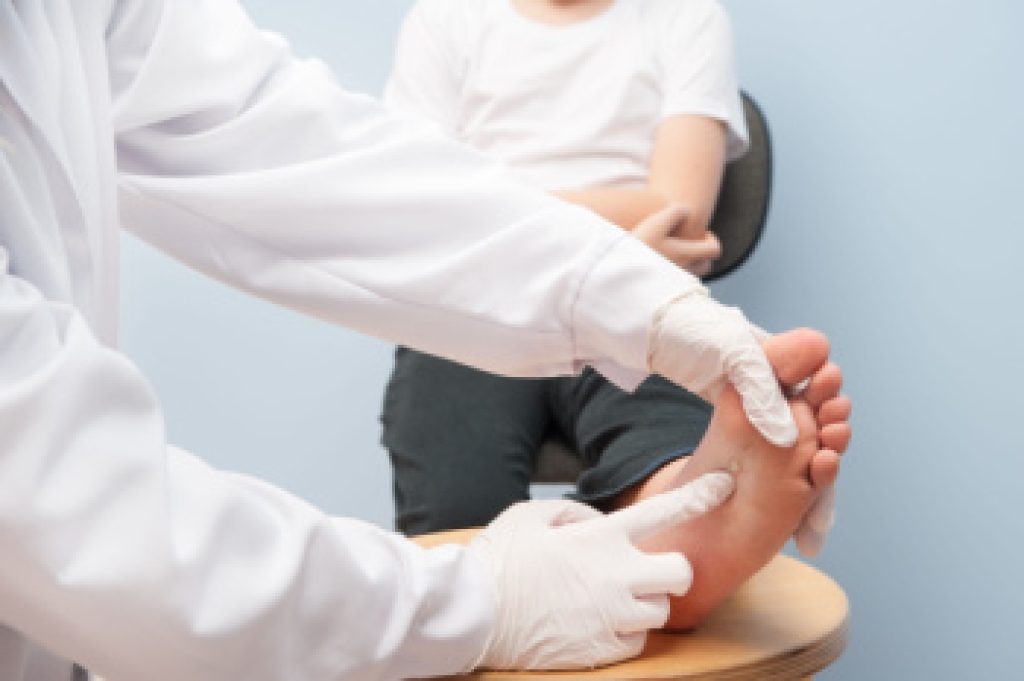
Plantar warts are a common issue in children, caused by the human papillomavirus, or HPV. These warts typically appear on the soles of the feet, causing discomfort and sometimes pain. The virus thrives in warm, moist environments, making public swimming pools, locker rooms, and communal showers common sources of infection. To prevent plantar warts, encourage children to wear protective footwear in these areas. Regularly washing feet and keeping them dry can also reduce the risk. It is important to avoid sharing shoes, socks, or towels to prevent the spread of the virus. If a child already has a plantar wart, covering it with a bandage can help prevent transmission. Promptly treating warts can also minimize discomfort and prevent them from spreading to others. Teaching children these habits can help protect them from plantar warts. If your child has developed a plantar wart, it is suggested that you visit a podiatrist who can properly treat this condition.

Plantar warts can be very uncomfortable. If you need your feet checked, contact Monique Mitchell, DPM from Family Foot Centre. Our doctor will assist you with all of your foot and ankle needs.

About Plantar Warts

Plantar warts are the result of HPV, or human papillomavirus, getting into open wounds on the feet. They are mostly found on the heels or balls of the feet.

While plantar warts are generally harmless, those experiencing excessive pain or those suffering from diabetes or a compromised immune system require immediate medical care. Plantar warts are easily diagnosed, usually through scraping off a bit of rough skin or by getting a biopsy.

Symptoms

  • Lesions on the bottom of your feet, usually rough and grainy
  • Hard or thick callused spots
  • Wart seeds, which are small clotted blood vessels that look like little black spots
  • Pain, discomfort, or tenderness of your feet when walking or standing

Treatment

  • Freezing
  • Electric tool removal
  • Laser Treatment
  • Topical Creams (prescription only)
  • Over-the-counter medications

To help prevent developing plantar warts, avoid walking barefoot over abrasive surfaces that can cause cuts or wounds for HPV to get into. Avoiding direct contact with other warts, as well as not picking or rubbing existing warts, can help prevent the further spread of plantar warts. However, if you think you have developed plantar warts, speak to your podiatrist. He or she can diagnose the warts on your feet and recommend the appropriate treatment options.

If you have any questions, please feel free to contact our office located in Garden Hills, Nassau, Bahamas . We offer the newest diagnostic and treatment technologies for all your foot care needs.

Read more about What Are Plantar Warts?

Reasons for Wearing Heel Cups

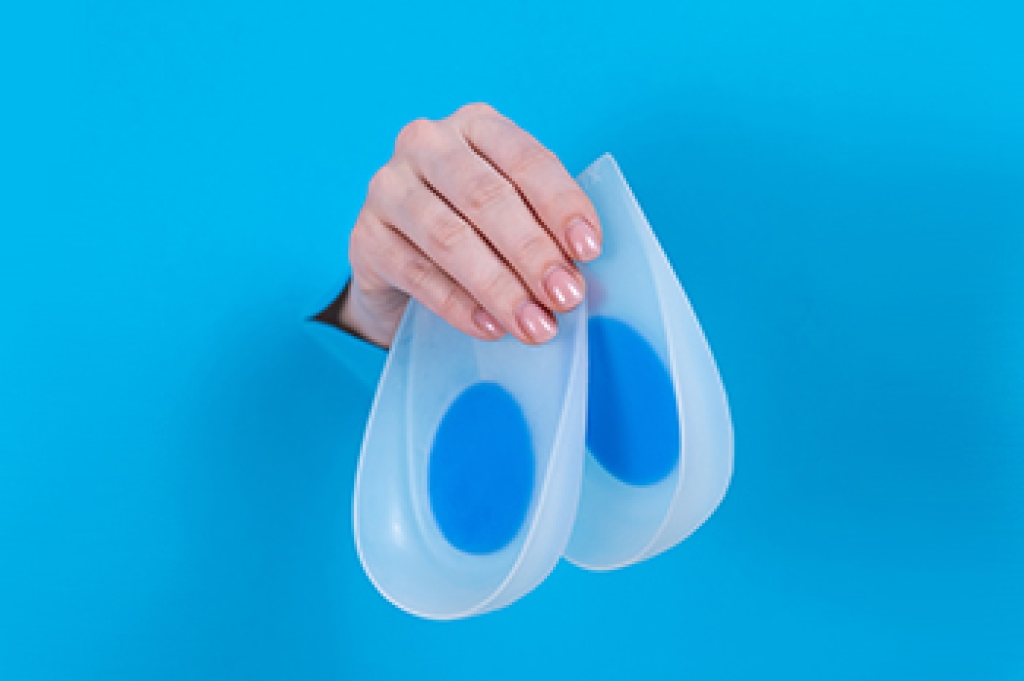
Heel cups are invaluable for individuals who spend long hours on their feet, providing essential support and cushioning to alleviate heel pain. These shoe inserts are particularly beneficial for those suffering from conditions like plantar fasciitis, which can be aggravated by insufficient support and poor shock absorption. Heel cups cushion the entire heel, from the point of impact with the ground to the edges and back, distributing the shock more evenly to reduce pressure on any single area. This helps make walking, running, and standing much more comfortable. Additionally, the gentle compression from heel cups can help reduce swelling in the heel and ankle. Professions such as nursing, retail, and culinary arts often involve prolonged standing. By using heel cups, people working in these fields can enhance their comfort and reduce heel pain. Consulting with a podiatrist can help in selecting the right heel cups and ensuring they are correctly fitted. If you experience heel pain, it is suggested that you make an appointment with a podiatrist for an exam and treatment.

Many people suffer from bouts of heel pain. For more information, contact Monique Mitchell, DPM of Family Foot Centre. Our doctor can provide the care you need to keep you pain-free and on your feet.

Causes of Heel Pain

Heel pain is often associated with plantar fasciitis. The plantar fascia is a band of tissues that extends along the bottom of the foot. A rip or tear in this ligament can cause inflammation of the tissue.

Achilles tendonitis is another cause of heel pain. Inflammation of the Achilles tendon will cause pain from fractures and muscle tearing. Lack of flexibility is also another symptom.

Heel spurs are another cause of pain. When the tissues of the plantar fascia undergo a great deal of stress, it can lead to ligament separation from the heel bone, causing heel spurs.

Why Might Heel Pain Occur?

  • Wearing ill-fitting shoes                
  • Wearing non-supportive shoes
  • Weight change           
  • Excessive running

Treatments

Heel pain should be treated as soon as possible for immediate results. Keeping your feet in a stress-free environment will help. If you suffer from Achilles tendonitis or plantar fasciitis, applying ice will reduce the swelling. Stretching before an exercise like running will help the muscles. Using all these tips will help make heel pain a condition of the past.

If you have any questions, please feel free to contact our office located in Garden Hills, Nassau, Bahamas . We offer the newest diagnostic and treatment technologies for all your foot care needs.

Read more about Heel Pain

Connect With Us

scroll to top