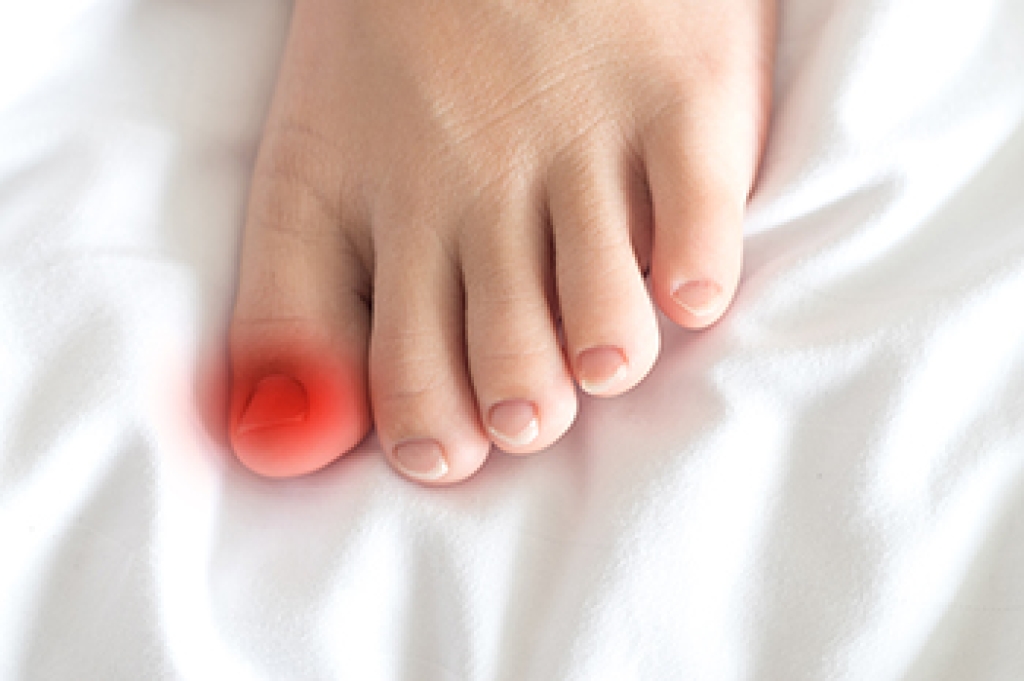
How Did I Develop an Ingrown Toenail?

Ingrown toenails are a common foot condition. They can be very painful, and treatment is often promptly sought for relief. It is defined as the nail on the big toe that grows into the skin instead of over it, and it may become infected. This can cause bleeding, and pus may drain from it. An ingrown toenail can happen from wearing shoes that do not fit correctly or from improperly trimming the toenails. This ailment may be common among athletes who can have feet that frequently sweat, and the nail may easily puncture the skin. The symptoms that many people experience with an ingrown toenail include swelling surrounding the affected toe, redness, and pain. Mild relief may be found when the foot is soaked in warm water. This also may make it easier to gently pull the skin away from the nail. If you have developed this foot condition, it is suggested that you speak with a podiatrist who can offer you permanent relief options.

Ingrown toenails can become painful if they are not treated properly. For more information about ingrown toenails, contact Monique Mitchell, DPM of Family Foot Centre. Our doctor can provide the care you need to keep you pain-free and on your feet.

Ingrown Toenails

Ingrown toenails occur when a toenail grows sideways into the bed of the nail, causing pain, swelling, and possibly infection.

Causes

  • Bacterial infections
  • Improper nail cutting such as cutting it too short or not straight across
  • Trauma to the toe, such as stubbing, which causes the nail to grow back irregularly
  • Ill-fitting shoes that bunch the toes too close together
  • Genetic predisposition

Prevention

Because ingrown toenails are not something found outside of shoe-wearing cultures, going barefoot as often as possible will decrease the likeliness of developing ingrown toenails. Wearing proper fitting shoes and using proper cutting techniques will also help decrease your risk of developing ingrown toenails.

Treatment

Ingrown toenails are a very treatable foot condition. In minor cases, soaking the affected area in salt or antibacterial soaps will not only help with the ingrown nail itself, but also help prevent any infections from occurring. In more severe cases, surgery is an option. In either case, speaking to your podiatrist about this condition will help you get a better understanding of specific treatment options that are right for you.

If you have any questions, please feel free to contact our office located in Garden Hills, Nassau, Bahamas . We offer the newest diagnostic and treatment technologies for all your foot care needs.

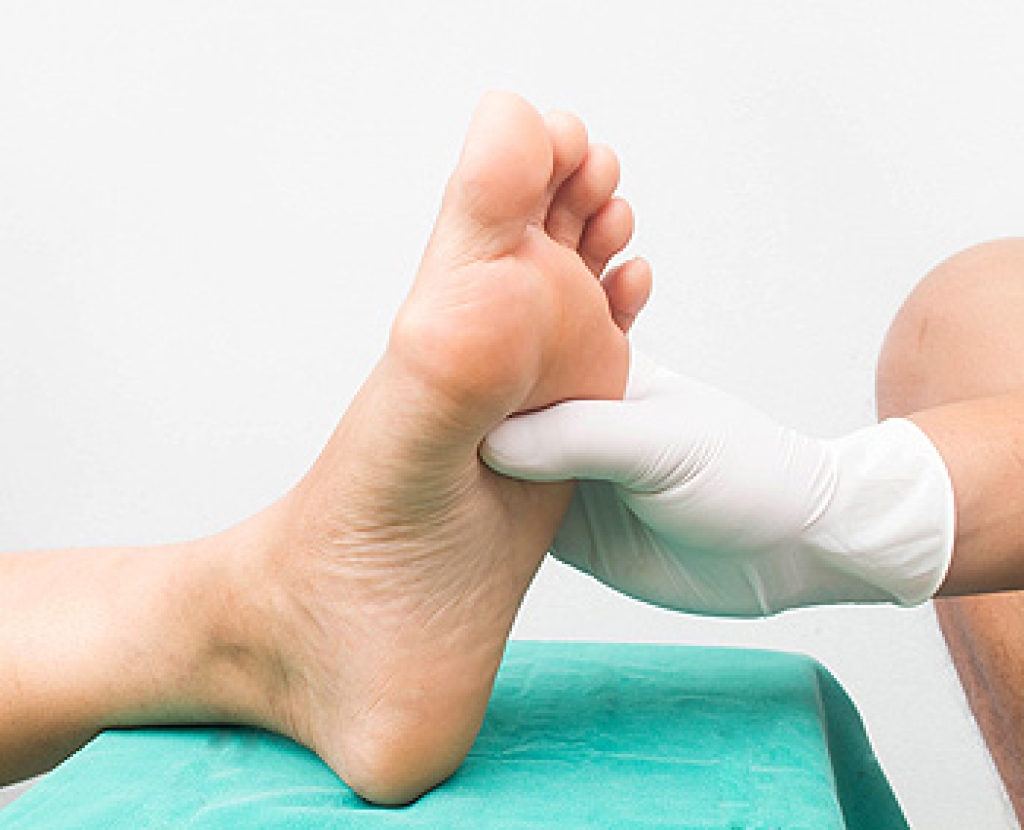
Read more about Ingrown Toenail Care

Tips for Beginning Runners to Prevent Injury

Running as a physical activity can be extremely beneficial to overall health. It can also be a source of injury and pain. For that reason, beginning runners are wise to learn how to protect themselves from harm. First, it may be a good idea to check in with a medical professional before undertaking this strenuous activity. Next, establishing a running routine for maximum safety is encouraged. Starting out slowly with a walk-run is wise, including warming up and cooling down exercises before and after a run. Probably the most important element of safety in running is investing in proper footwear. Wearing shoes especially built for running is not only practical, it is necessary for the health of your toes, feet, and ankles. Further, the type of surface you choose to run on factors into the choice of footwear. Existing foot or ankle ailments may also play a role in shoe selection, and experts suggest having two or more pairs of shoes that can be alternated.  Cross-training with activities, such as swimming, is a good way to give the feet and legs a rest between runs and help ward off injury. For more information on preventing injury from running, it is suggested that you consult a podiatrist.

All runners should take extra precaution when trying to avoid injury. If you have any concerns about your feet, contact Monique Mitchell, DPM of Family Foot Centre. Our doctor will treat your foot and ankle needs.

How to Prevent Running Injuries

There are a lot of mistakes a runner can make prior to a workout that can induce injury. A lot of athletes tend to overstretch before running, instead of saving those workouts for a post-run routine. Deep lunges and hand-to-toe hamstring pulls should be performed after a workout instead of during a warmup. Another common mistake is jumping into an intense routine before your body is physically prepared for it. You should try to ease your way into long-distance running instead of forcing yourself to rush into it.

More Tips for Preventing Injury

  • Incorporate Strength Training into Workouts - This will help improve the body’s overall athleticism
  • Improve and Maintain Your Flexibility – Stretching everyday will help improve overall performance
  • “Warm Up” Before Running and “Cool Down” Afterward – A warm up of 5-10 minutes helps get rid of lactic acid in the muscles and prevents delayed muscle soreness
  • Cross-Training is Crucial
  • Wear Proper Running Shoes
  • Have a Formal Gait Analysis – Poor biomechanics can easily cause injury

If you have any questions, please feel free to contact our office located in Garden Hills, Nassau, Bahamas . We offer the newest diagnostic and treatment technologies for all your foot care needs.
Read more about Preventing Running Injuries

Effective Diabetic Foot Care Routines

Diabetes is a serious health condition that may eventually affect the feet. It is a common occurrence among diabetic patients, and keeping a close eye on blood sugar levels may help to prevent diabetic foot ulcers. People who have diabetes may be prone to developing neuropathy, which is nerve damage that is caused by high sugar levels. This can cause the inability to feel existing cuts, bruises, or scrapes that have developed, increasing the importance of performing daily self examinations. This can be done by using a mirror to detect small cuts, or an available family member or caregiver may be able to assist with this. Diabetic foot care consists of trimming the toenails weekly and washing and drying the feet thoroughly. It is beneficial to refrain from participating in activities that can injure the feet, in addition to wearing shoes and socks that fit correctly. The risk of developing foot conditions may be reduced when glucose levels are controlled by being closely monitored. If you have diabetes, it is strongly suggested that you are under the care of a podiatrist who can help you to manage this condition.

Diabetic foot care is important in preventing foot ailments such as ulcers. If you are suffering from diabetes or have any other concerns about your feet, contact Monique Mitchell, DPM from Family Foot Centre. Our doctor can provide the care you need to keep you pain-free and on your feet.

Diabetic Foot Care

Diabetes affects millions of people every year. The condition can damage blood vessels in many parts of the body, especially the feet. Because of this, taking care of your feet is essential if you have diabetes, and having a podiatrist help monitor your foot health is highly recommended.

The Importance of Caring for Your Feet

  • Routinely inspect your feet for bruises or sores.
  • Wear socks that fit your feet comfortably.
  • Wear comfortable shoes that provide adequate support.

Patients with diabetes should have their doctor monitor their blood levels, as blood sugar levels play such a huge role in diabetic care. Monitoring these levels on a regular basis is highly advised.

It is always best to inform your healthcare professional of any concerns you may have regarding your feet, especially for diabetic patients. Early treatment and routine foot examinations are keys to maintaining proper health, especially because severe complications can arise if proper treatment is not applied.

If you have any questions, please feel free to contact our office located in Garden Hills, Nassau, Bahamas . We offer the newest diagnostic and treatment technologies for all your foot care needs.

Read more about How to Care for Diabetic Foot

Reasons Flat Feet Occur

Pes planus is the medical term for the condition known as flat feet. Flat feet are also referred to as fallen arches and are common among infants and young children. Most babies are born with flat feet, and their arches begin to develop between the ages of 2 and 3. Studies show the most common type of flat feet is flexible flat feet. With this condition, the arch is visible when the foot is lifted and disappears when the foot is placed on the ground. An injury can also cause additional problems like posterior tibial tendon dysfunction, which generally occurs during adulthood. The tendons that support the arch can become weak and flat from a lack of adequate support. Flat feet can be caused by genetic reasons or possibly from existing medical conditions, such as cerebral palsy. If you have this foot condition, it is suggested that you consult with a podiatrist who can offer you treatment options, which may include wearing custom-made orthotics.

Flatfoot is a condition many people suffer from. If you have flat feet, contact Monique Mitchell, DPM from Family Foot Centre. Our doctor will treat your foot and ankle needs.

What Are Flat Feet?

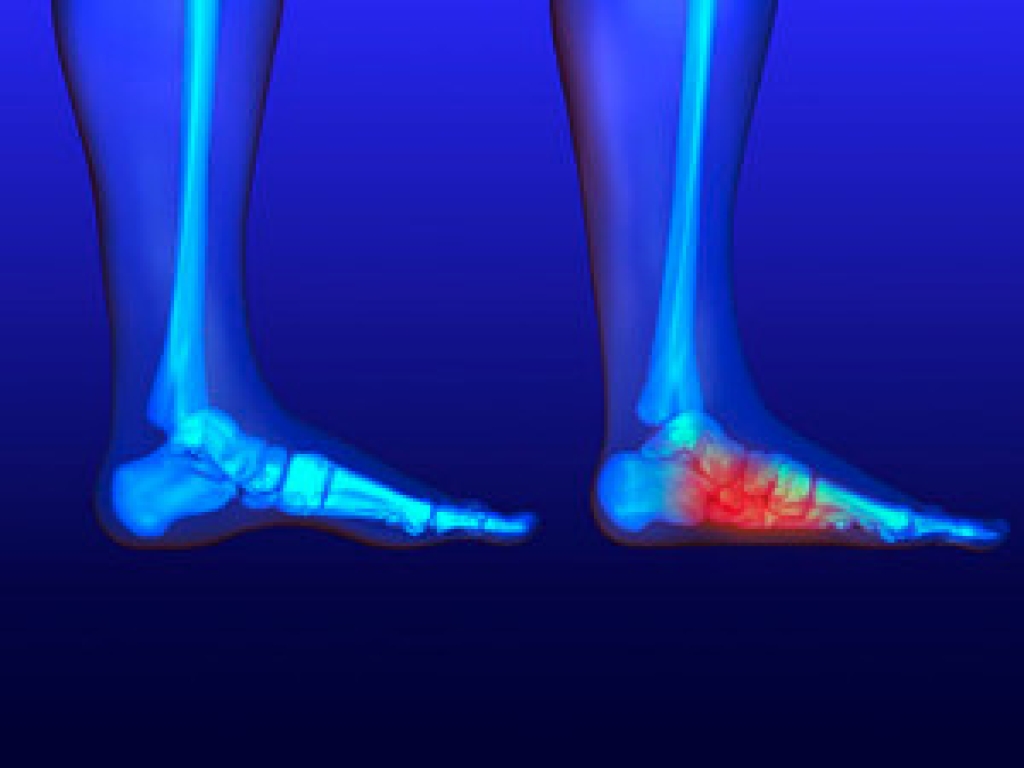
Flatfoot is a condition in which the arch of the foot is depressed and the sole of the foot is almost completely in contact with the ground. About 20-30% of the population generally has flat feet because their arches never formed during growth.

Conditions & Problems:

Having flat feet makes it difficult to run or walk because of the stress placed on the ankles.

Alignment – The general alignment of your legs can be disrupted, because the ankles move inward which can cause major discomfort.

Knees – If you have complications with your knees, flat feet can be a contributor to arthritis in that area.  

Symptoms

  • Pain around the heel or arch area
  • Trouble standing on the tip toe
  • Swelling around the inside of the ankle
  • Flat look to one or both feet
  • Having your shoes feel uneven when worn

Treatment

If you are experiencing pain and stress on the foot you may weaken the posterior tibial tendon, which runs around the inside of the ankle. 

If you have any questions, please feel free to contact our office located in Garden Hills, Nassau, Bahamas . We offer the newest diagnostic and treatment technologies for all your foot care needs.

Read more about Flat Feet

Connect With Us

scroll to top