Preventing Ankle Sprains in Football

Ankle sprains are common in football due to sudden changes in direction, tackles, uneven surfaces, and high-impact movements. Symptoms include pain, swelling, bruising, and difficulty walking or bearing weight. Sprains are classified by severity. First degree involves mild ligament stretching with minimal swelling and usually recovers within one to two weeks. Second degree includes partial ligament tears, moderate swelling and bruising, and may take three to six weeks to heal. Third degree is a complete tear, causing severe pain, instability, and requiring six to twelve weeks or longer for recovery. A podiatrist can assess the injury, provide bracing or supportive devices, recommend rehabilitation exercises, and guide a safe return to play. If you have sustained an ankle injury, it is suggested that you consult a podiatrist who can provide an accurate diagnosis and offer effective treatment solutions.

Ankle and foot injuries are common among athletes and in many sports. They can be caused by several problems and may be potentially serious. If you are feeling pain or think you were injured in a sporting event or when exercising, consult with Monique Mitchell, DPM from Family Foot Centre. Our doctor will assess your condition and provide you with quality foot and ankle treatment.

Common Injuries

The most common injuries that occur in sporting activities include:

  • Achilles Tendonitis
  • Achilles Tendon Rupture
  • Ankle Sprains
  • Broken Foot
  • Plantar Fasciitis
  • Stress Fractures
  • Turf Toe

Symptoms

Symptoms vary depending upon the injury and in some cases, there may be no symptoms at all. However, in most cases, some form of symptom is experienced. Pain, aching, burning, bruising, tenderness, tightness or stiffness, sensation loss, difficulty moving, and swelling are the most common symptoms.

Treatment

Just as symptoms vary depending upon the injury, so do treatment options. A common treatment method is known as the RICE method. This method involves rest, applying ice, compression and elevating the afflicted foot or ankle. If the injury appears to be more serious, surgery might be required, such as arthroscopic or reconstructive surgery. Lastly, rehabilitation or therapy might be needed to gain full functionality in the afflicted area. Any discomfort experienced by an athlete must be evaluated by a licensed, reputable medical professional.  

If you have any questions please contact our office located in Garden Hills, Nassau, Bahamas . We offer the newest diagnostic and treatment technologies for all your foot and ankle needs.

Read more about Sports Related Foot and Ankle Injuries

When Ankle Pain Appears Without an Obvious Injury

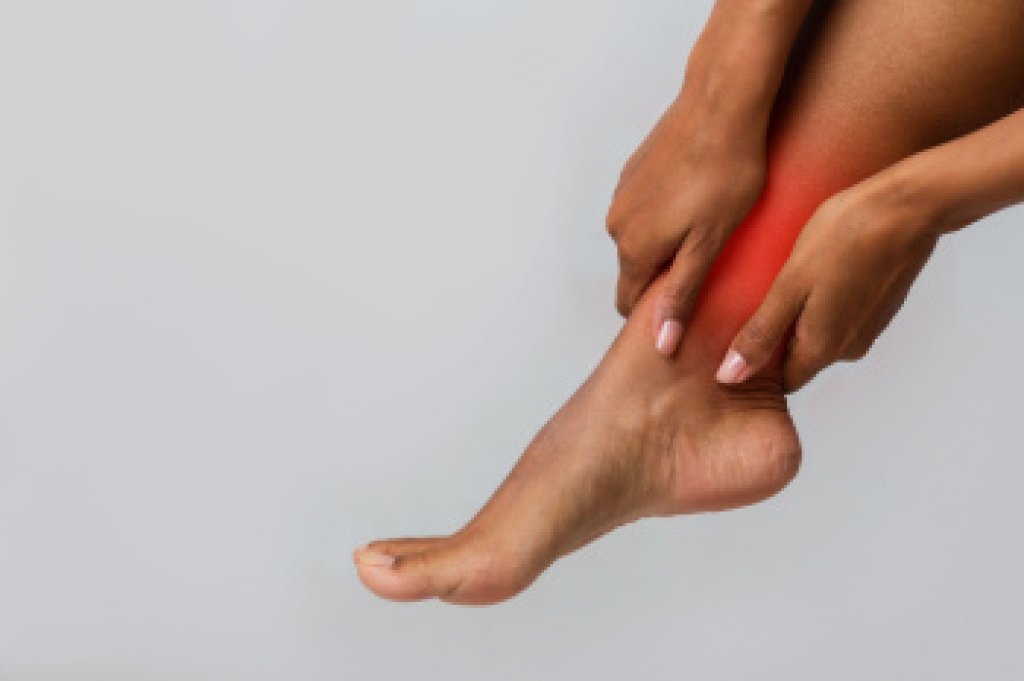
It can be surprising to feel ankle pain when you have not twisted, fallen, or had any clear accident. However, sudden discomfort can develop from issues that build quietly over time. Conditions such as tendon inflammation, gout, arthritis, or even nerve irritation can cause swelling and pain without a recent injury. Sometimes, repetitive motion or wearing unsupportive shoes places extra stress on the ankle joint and surrounding ligaments, leading to stiffness or tenderness. Ignoring these early signs can allow the problem to worsen, making walking or standing uncomfortable. A podiatrist can perform a detailed evaluation to identify the true cause of the pain and recommend treatment, such as rest, supportive footwear, targeted exercises, or medication to reduce inflammation. If ankle pain appears suddenly or persists without explanation, it is suggested that you schedule a podiatric visit for a diagnosis and appropriate care.

Ankle pain can be caused by a number of problems and may be potentially serious. If you have ankle pain, consult with Monique Mitchell, DPM from Family Foot Centre. Our doctor will assess your condition and provide you with quality foot and ankle treatment.

Ankle pain is any condition that causes pain in the ankle. Due to the fact that the ankle consists of tendons, muscles, bones, and ligaments, ankle pain can come from a number of different conditions.

Causes

The most common causes of ankle pain include:

  • Types of arthritis (rheumatoid, osteoarthritis, and gout)
  • Ankle sprains
  • Broken ankles
  • Achilles tendonitis
  • Achilles tendon rupture
  • Stress fractures
  • Bursitis
  • Tarsal tunnel syndrome
  • Plantar fasciitis

Symptoms

Symptoms of ankle injury vary based upon the condition. Pain may include general pain and discomfort, swelling, aching, redness, bruising, burning or stabbing sensations, and/or loss of sensation.

Diagnosis

Due to the wide variety of potential causes of ankle pain, podiatrists will utilize a number of different methods to properly diagnose ankle pain. This can include asking for personal and family medical histories and of any recent injuries. Further diagnosis may include sensation tests, a physical examination, and potentially x-rays or other imaging tests.

Treatment

Just as the range of causes varies widely, so do treatments. Some more common treatments are rest, ice packs, keeping pressure off the foot, orthotics and braces, medication for inflammation and pain, and surgery.

If you have any questions please feel free to contact our office located in Garden Hills, Nassau, Bahamas . We offer the newest diagnostic tools and technology to treat your foot and ankle needs.

Read more about Various Causes of Ankle Pain

Foot Pain May Signal Arthritis

Foot pain that feels stiff, achy, or swollen may be more than simple fatigue. Arthritis can affect any of the many joints in the foot and ankle, leading to inflammation, limited movement, and discomfort that worsens with activity or changes in weather. Over time, the loss of joint cartilage can make even short walks difficult. A podiatrist can identify whether arthritis is the cause through examination and imaging, then recommend treatments to reduce pain and improve mobility. Custom orthotics, anti-inflammatory therapy, and wearing supportive footwear can help protect the joints and slow progression. Maintaining a healthy weight and staying active with low-impact exercise can also make a difference. If your foot pain is persistent or accompanied by swelling and stiffness, it is suggested you schedule an appointment with a podiatrist for a proper diagnosis and appropriate treatment.

Arthritis can be a difficult condition to live with. If you are seeking treatment, contact Monique Mitchell, DPM from Family Foot Centre. Our doctor can provide the care you need to keep you pain-free and on your feet.

Arthritic Foot Care  

Arthritis is a joint disorder that involves the inflammation of different joints in your body, such as those in your feet. Arthritis is often caused by a degenerative joint disease and causes mild to severe pain in all affected areas. In addition to this, swelling and stiffness in the affected joints can also be a common symptom of arthritis.

In many cases, wearing ill-fitting shoes can worsen the effects and pain of arthritis. Wearing shoes that have a lower heel and extra room can help your feet feel more comfortable. In cases of rheumatoid arthritis, the arch in your foot may become problematic. Buying shoes with proper arch support that contour to your feet can help immensely.

Alleviating Arthritic Pain

  • Exercises that stretch the foot can prevent further pain and injury and increase mobility
  • Most of the pain can be alleviated with anti-inflammatory drugs, heat, and topical medications
  • Massages can help temporarily alleviate pain.

It is best to see your doctor for the treatment that is right for your needs and symptoms. Conditions vary, and a podiatrist can help you determine the right method of care for your feet.

If you have any questions please feel free to contact our office located in Garden Hills, Nassau, Bahamas . We offer the newest diagnostic tools and technology to treat your foot and ankle needs.

Read more about Arthritic Foot Care

Preventing Toenail Fungus

Are you tired of hiding your toes in the sand? Are your toenails beginning to discolor, thicken, or crumble? This could be the beginning of toenail fungus. Fungi are nearly everywhere, and they particularly love dark, moist, and warm places, like inside your shoes. Healthy feet depend on healthy hygiene, so it’s important to keep your toes clean and dry. Cut your toenails straight across with a sanitized nail clipper. Wear breathable, properly fitted shoes and socks. Your toenails should never be touching your shoes. It also helps to alternate your shoes. If your feet sweat and your shoes are damp, it's time to go to the next pair while the other pair dries. Avoid going barefoot in public places, especially in locker rooms, showers, and pools. If you have tried at-home remedies to clear your toenail fungus and it keeps returning, it may be time to follow up with your local podiatrist.

For more information about treatment, contact Monique Mitchell, DPM of Family Foot Centre. Our doctor can provide the care you need to keep you pain-free and on your feet.

Toenail Fungus Treatment

Toenail fungus is a condition that affects many people and can be especially hard to get rid of. Fortunately, there are several methods to go about treating and avoiding it.

Antifungals & Deterrence

Oral antifungal medicine has been shown to be effective in many cases. It is important to consult with a podiatrist to determine the proper regiment for you, or potentially explore other options.

Applying foot powder on the feet and shoes helps keep the feet free of moisture and sweat.

Sandals or open toed shoes – Wearing these will allow air movement and help keep feet dry. They also expose your feet to light, which fungus cannot tolerate. Socks with moisture wicking material also help as well.

If you have any questions please contact our office located in Garden Hills, Nassau, Bahamas . We offer the newest diagnostic and treatment technologies for all your foot and ankle needs.

Read more about How to Treat Your Toenail Fungus

Connect With Us

scroll to top